
Call us now :08045476114
 Send Inquiry
 Send Inquiry
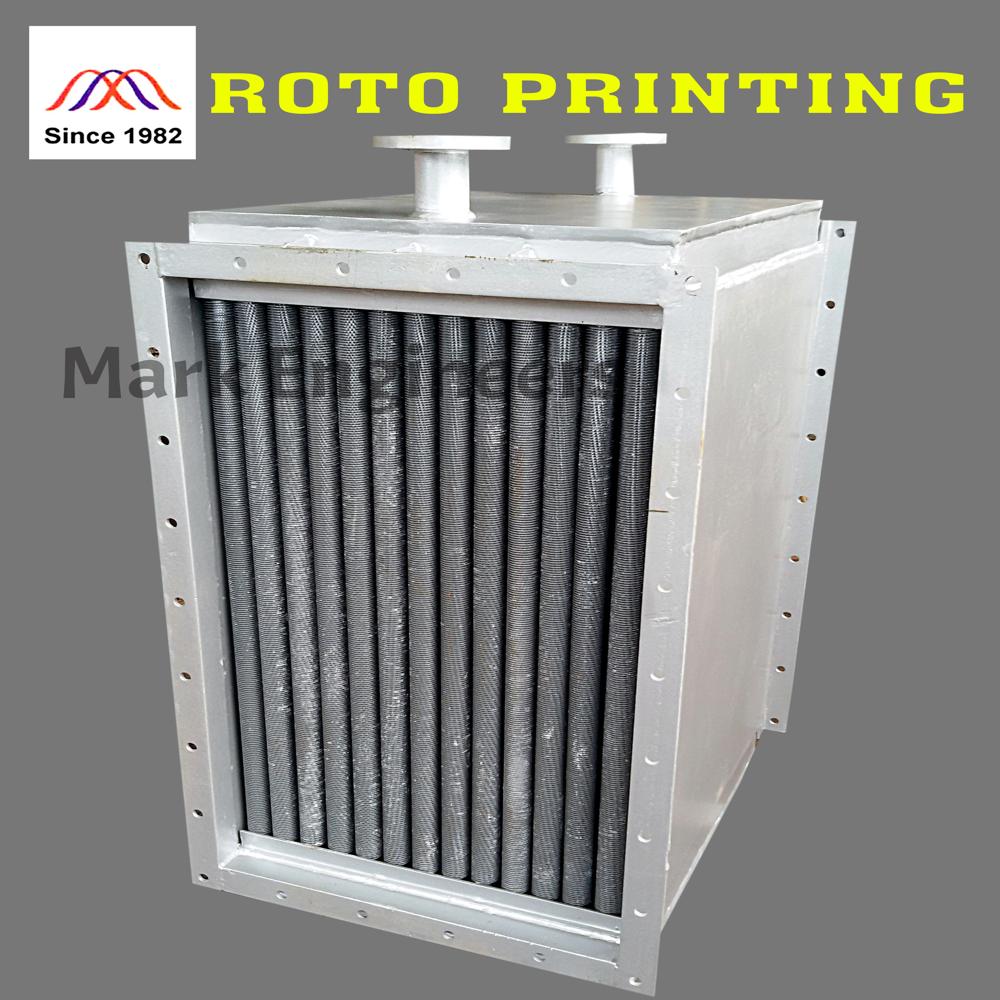
Industrial Food Processing Heat Exchanger
Industrial Food Processing Heat Exchanger Specification
- Max Pressure
- 10 bar
- Number of Pipe
- 4
- Temperature
- Up to 150C
- Thickness
- 10 mm
- Max. Capacity
- 1000 kg/h
- Condition
- New
- Structure
- Stainless Steel
- Liquid Flow Rate
- 500 L/h
- Working Presssure
- 8 bar
- Voltage
- 220V
- Power
- 5 kW
- Weight
- 200 kg
- Dimensions
- 1200x800x600 mm
About Industrial Food Processing Heat Exchanger
Industrial Food Processing Heat Exchanger is used in the food industries. This exchanger is used for the process of cooling down. It is made with a tough construction to tolerate a high temperature of heat tendency. Apart from this, provided exchanger is suitable for cooling as well as heating purpose. Industrial Food Processing Heat Exchanger aids to recover the heat in different stream in the process. It is made with an advancement of technology to increase its longevity.
Specifications
| Usage/Application | Industrial |
| Type | Air-Cooled |
| Material | Copper |
| Medium Used | Water, Air, Oil |
| Application | Food Process Industry |
| Inlet Temperature | Customize |
| Outlet Temperature | Customize |
Superior Build for Demanding Applications
Manufactured using high-grade stainless steel, this heat exchanger offers reliability, corrosion resistance, and safety for industrial food processing. Its advanced structure ensures efficient heat transfer even in rigorous conditions, meeting stringent industry standards.
Optimized for Enhanced Efficiency
With four precisely engineered pipes facilitating liquid flow up to 500 L/h and handling products up to 1000 kg/h, this heat exchanger maximizes throughput while maintaining thermal consistency. It's engineered for seamless integration with modern food processing lines.
FAQ's of Industrial Food Processing Heat Exchanger:
Q: How does the industrial food processing heat exchanger operate within food plants?
A: The heat exchanger transfers thermal energy between two liquids, using four stainless steel pipes to ensure precise temperature control. It supports up to 500 L/h fluid flow and operates safely under a working pressure of 8 bar, making it suitable for various food production processes.Q: What advantages does stainless steel construction offer for this heat exchanger?
A: Stainless steel provides exceptional resistance to corrosion and contamination, crucial for maintaining food safety. It also ensures long-term durability and hygiene, making it ideal for industrial environments that demand high cleanliness and reliability.Q: When should this heat exchanger be used in food processing lines?
A: This unit is ideal whenever precise temperature regulation or rapid heating/cooling is critical, such as during pasteurization or thermal conditioning of ingredients. Its maximum temperature of 150C and stable pressure handling make it versatile for continuous and batch process operations.Q: Where can this heat exchanger be installed?
A: Thanks to its compact dimensions (1200x800x600 mm) and robust build, it can be integrated into a variety of food processing facilities, including dairy, beverage, and packaged food plants, anywhere across India.Q: What is the process for integrating this heat exchanger into an existing system?
A: Installation involves connecting the inlet and outlet pipes to your process lines. The 5 kW power source is wired to a 220V supply, and the adjustable settings allow seamless adaptation to specific thermal requirements. Professional setup ensures optimal efficiency and safety.Q: How does using this heat exchanger benefit food manufacturers?
A: It delivers consistent temperature control, improves product quality, reduces processing time, and optimizes energy usage. Its high throughput capacity supports increased productivity, while the robust design ensures dependable operation with minimal maintenance.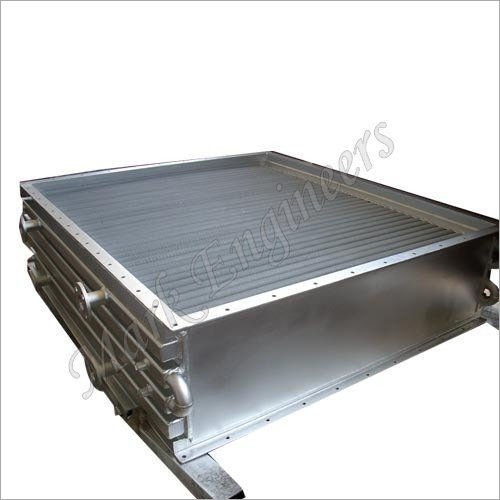
Tell us about your requirement

Price:
Quantity
Select Unit
- 50
- 100
- 200
- 250
- 500
- 1000+
Additional detail
Mobile number
Email

More Products in Food Processing Heat Exchanger Category
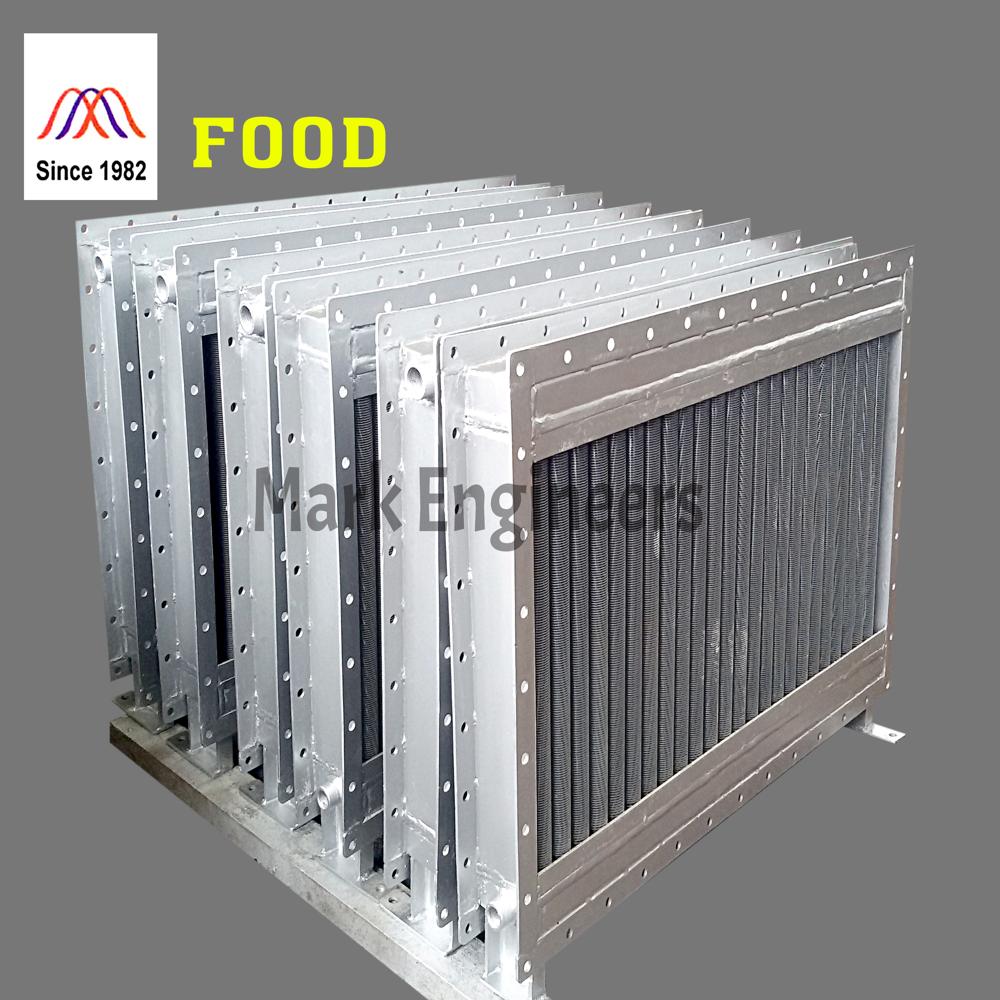
Food Processing Heat Exchanger
Price 18000.0 INR / Piece
Minimum Order Quantity : 1 Piece
Voltage : 220 Volt (v)
Condition : New
Usage : Industrial
Product Type : Food Processing Heat Exchanger
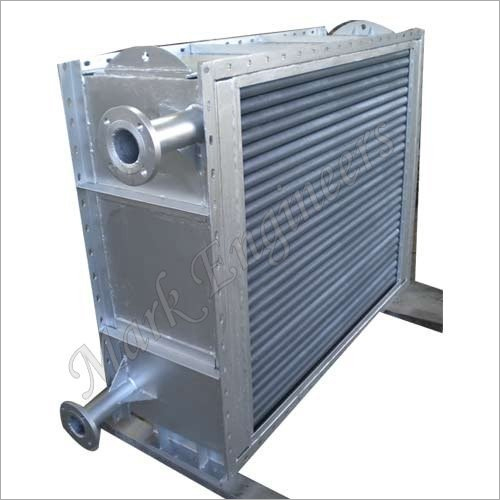
Heat Exchanger for Soya Bean
Price 44500 INR / Unit
Minimum Order Quantity : 1 Unit
Voltage : 220240 Volt (v)
Condition : New
Usage : Industrial
Product Type : Heat Exchanger
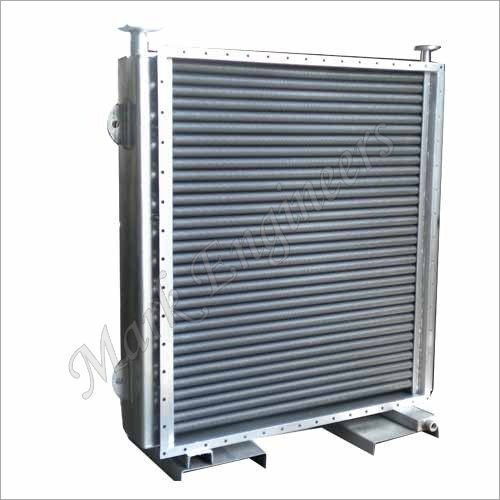
Paddy Dryer Heat Exchanger
Price 125000.00 INR / Piece
Minimum Order Quantity : 1 Piece
Voltage : 380 Volt (v)
Condition : New
Usage : Industrial
Product Type : Heat Exchanger
Heat Exchanger for Corn Flake Dryer Heater
Price 86000.0 INR / Piece
Minimum Order Quantity : 1 Piece
Voltage : 220240 Volt (v)
Condition : New
Usage : Industrial
Product Type : Heat Exchanger


 Send Inquiry
Our Products
- Heat Exchanger
- Finned Tubes
- Food Processing Heat Exchanger
- Dryer Heater
- Spray Dryer Heat Exchanger
- Industrial Spray Dryer Heat Exchanger
- Hydraulic Machine Oil Cooler
- Electric Heater Coils
- Earth Moving Oil Cooler
- Heater for Textile Processing Machine
- Industrial Heat Exchanger
- Finned Tube Heat Exchangers
- Heat Exchangers
- Steam Heaters
- Laminate Heaters
- Industrial Radiators
- Textile Processing Machine Dryer
- finnes
- Heat Exchanger Pipes
- Thermic Oil Air Heater
- Industrial Oven
- STEAM HEAT EXCHANGER
- Heaters for Pharmaceutical Machines
- Chemical Tray Dryer Heater
- Heat Exchanger for Textile Dryer
- Thermic Fluid Heat Exchanger
- Shell and Tube Heat Exchanger
- Heat Exchanger for Herbal Products
- Fluid Bed Dryer Heater
- Industrial Heat Exchangers


PLOT NO I 312/2, PHASE II, H Road, G.I.D.C. Estate, Vatva, Ahmedabad - 382445, Gujarat, India

Mr Rajesh K. Patel (B.E mech)
(Proprietor)
Mobile :08045476114
 Send Inquiry
 Send SMS
Developed and Managed by Infocom Network Private Limited.


 English
 Spanish
 French
 German
 Italian
 Chinese (Simplified)
 Japanese
 Korean
 Arabic
 Portuguese