
Call us now :08045476114
 Send Inquiry
 Send Inquiry
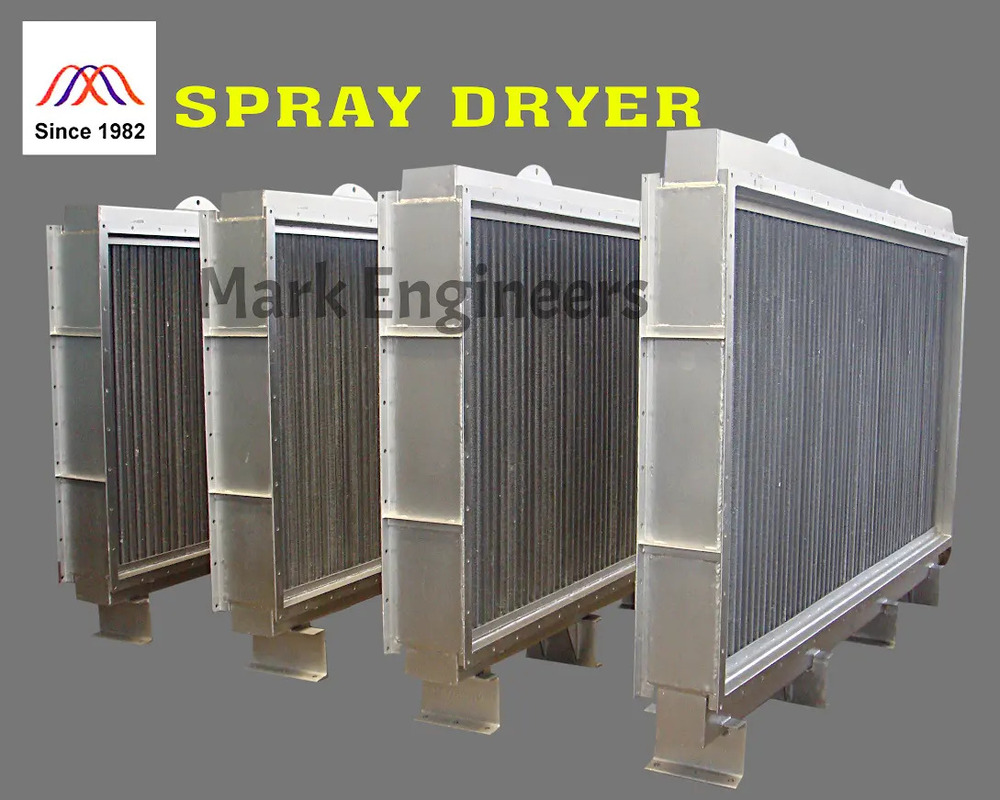
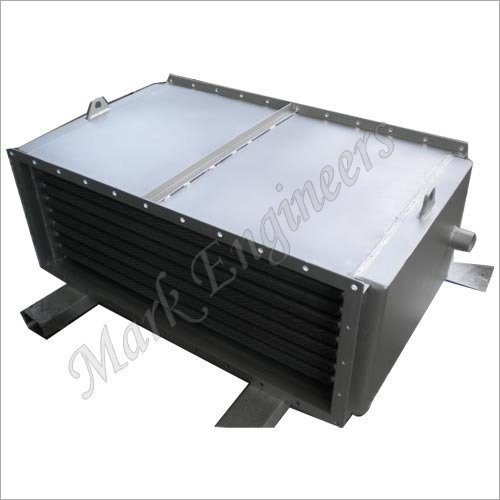
Industrial Spray Dryer Heat Exchanger
Industrial Spray Dryer Heat Exchanger Specification
- Air Volume
- 12000 m/h ft3/min (CFM)
- Diameter
- 1500 mm Millimeter (mm)
- Thickness
- 8 mm Millimeter (mm)
- Max. Capacity
- 3800 Kg/hr Kilogram(Kg)
- Number of Pipe
- 120
- Condition
- New
- Structure
- Stainless Steel Cylindrical Shell & Tube
- Working Presssure
- 6 Bar
- Voltage
- 415 V Volt (v)
- Weight
- 3500 Kg Kilograms (kg)
- Dimensions
- 2500 mm x 1800 mm x 2200 mm Millimeter (mm)
- Usage
- Thermal energy exchange for spray dryer system
- Enviromental Compliance
- Meets industrial standards
- Heat Transfer Area
- 56 m
- Application
- Industrial Spray Drying
- Material
- SS304 / SS316
- Heat Exchanger Type
- Shell & Tube
- Mounting Type
- Horizontal
- Cleaning Mechanism
- Manual / CIP compatible
- Manufacturing Technique
- Seamless Welding
- Corrosion Resistance
- High
- Inlet/Outlet Connection
- Flanged
- Automation Grade
- Semi-Automatic
- Service Temperature Range
- Ambient to 260C
- Design Standard
- ASME Sec VIII
About Industrial Spray Dryer Heat Exchanger
Specifications
|
Usage/Application |
Hydraulic and Industrial Process |
|
Type |
Air-Cooled |
|
Material |
Mild Steel |
|
Surface Finish |
Polished |
|
Medium Used |
Oil, Water, Air |
|
Flow Rate |
600 m3/hr |
|
Country of Origin |
Made in India |
Superior Industrial Performance
Engineered with advanced shell & tube architecture, this heat exchanger ensures high efficiency in energy transfer for spray drying operations. The use of SS304/SS316 enhances corrosion resistance, promoting longevity and consistent thermal performance. With an ample heat transfer area and semi-automatic controls, it balances productivity with operational flexibility.
Robust Safety and Compliance
Manufactured under stringent ASME Sec VIII standards, the heat exchanger promises both safety and dependable operation. Its seamless welding technique, 8 mm thick walls, and flanged connections provide durability that easily meets industrial environmental and safety benchmarks.
Versatile Cleaning and Maintenance
Integrated manual and CIP-compatible cleaning mechanisms allow convenient maintenance, reducing downtime and ensuring consistent hygiene. Its design supports easy access and compatibility with industry-standard cleaning procedures, making it suitable for continuous and batch operations alike.
FAQ's of Industrial Spray Dryer Heat Exchanger:
Q: How does the shell & tube design enhance heat exchange efficiency in spray drying systems?
A: The shell & tube configuration maximizes surface area for heat transfer, allowing efficient and rapid exchange of thermal energy between fluids. This design supports high flow rates and minimizes temperature gradients, making it ideal for industrial spray drying processes.Q: What are the benefits of using SS304/SS316 stainless steel in this heat exchanger?
A: SS304/SS316 stainless steels offer superior resistance to corrosion, high temperatures, and chemical attack. This ensures reliable operation, extends the heat exchanger's service life, and reduces maintenance costs, particularly in demanding industrial environments.Q: When is manual cleaning preferred over CIP (Clean-In-Place) with this system?
A: Manual cleaning is generally chosen when dealing with heavy fouling or scale that CIP systems can't remove. For regular maintenance or less stubborn residues, the CIP-compatible mechanism offers a quick and efficient solution without system disassembly.Q: Where is this heat exchanger best suited for installation within an industrial spray drying setup?
A: This heat exchanger is ideal for integration at the air heater or recirculation stage of spray dryer systems, where efficient thermal energy transfer is critical for process control and product quality.Q: What is the recommended process for maintaining optimal performance of this unit?
A: Routine inspections, periodic cleaning (either manual or CIP), and monitoring of operating parameters (temperature, pressure, and flow rates) are essential. Adhering to the manufacturer's maintenance schedule will help sustain efficient operation and prolong equipment life.Q: How does this unit ensure environmental compliance and occupational safety?
A: Built to meet industrial and ASME Sec VIII standards, the system incorporates high-quality materials, secure flanged connections, and robust construction, ensuring minimal emissions and safe handling even at high pressures and temperatures.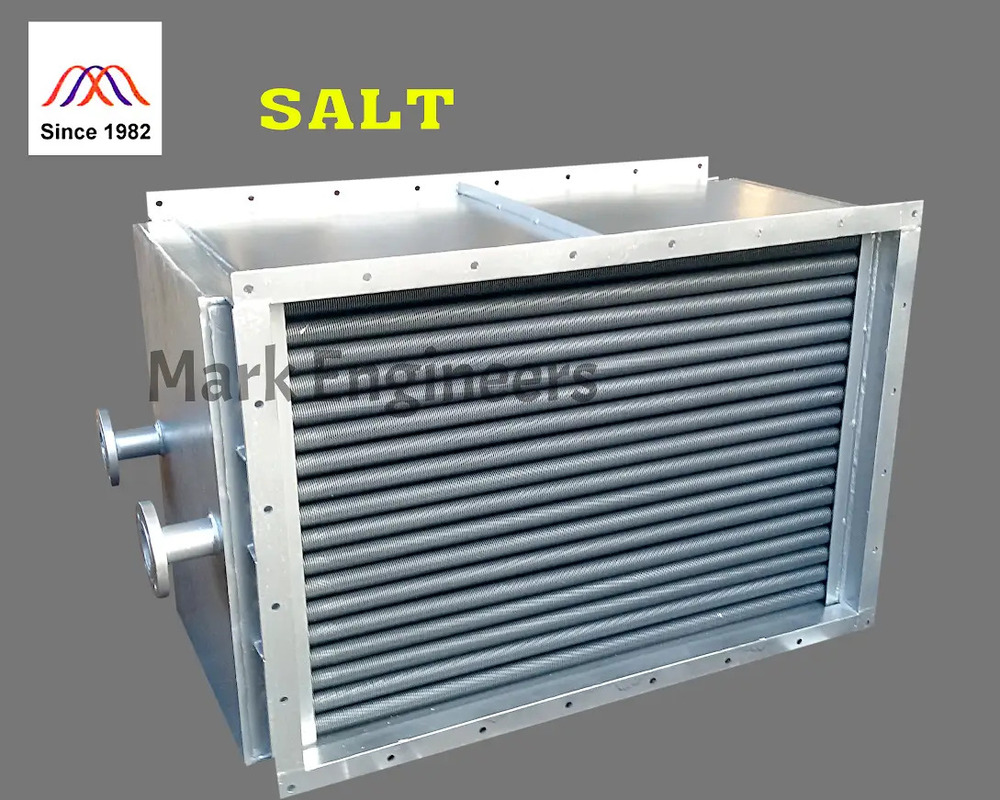
Tell us about your requirement

Price:
Quantity
Select Unit
- 50
- 100
- 200
- 250
- 500
- 1000+
Additional detail
Mobile number
Email

More Products in Industrial Spray Dryer Heat Exchanger Category
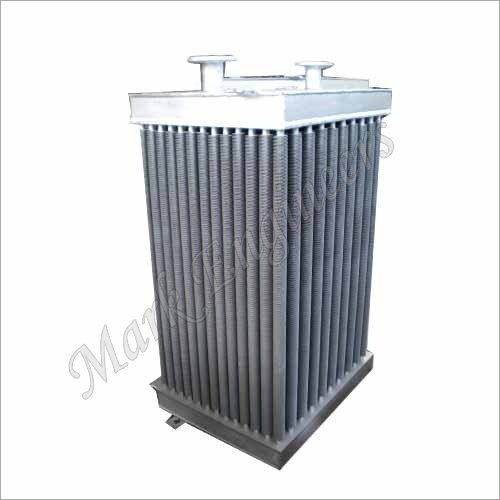
Spin Flash Dryer Heat Exchanger
Price 50000 INR / Piece
Minimum Order Quantity : 1 Piece
Condition : New
Usage : Industrial
Voltage : 380 Volt (v)
Product Type : Heat Exchanger
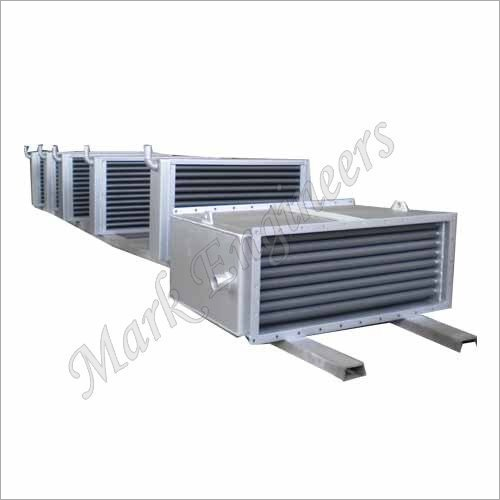
Tray Dryer Heat Exchanger
Price 76000 INR / Unit
Minimum Order Quantity : 1 Unit
Condition : New
Usage : Industrial
Voltage : 380 Volt (v)
Product Type : Heat Exchanger
Industrial Dryer Heat Exchanger
Price 60000 INR / Unit
Minimum Order Quantity : 1 Unit
Condition : New
Usage : Industrial
Voltage : 380 Volt (v)


 Send Inquiry
Our Products
- Heat Exchanger
- Finned Tubes
- Food Processing Heat Exchanger
- Dryer Heater
- Spray Dryer Heat Exchanger
- Industrial Spray Dryer Heat Exchanger
- Hydraulic Machine Oil Cooler
- Electric Heater Coils
- Earth Moving Oil Cooler
- Heater for Textile Processing Machine
- Industrial Heat Exchanger
- Finned Tube Heat Exchangers
- Heat Exchangers
- Steam Heaters
- Laminate Heaters
- Industrial Radiators
- Textile Processing Machine Dryer
- finnes
- Heat Exchanger Pipes
- Thermic Oil Air Heater
- Industrial Oven
- STEAM HEAT EXCHANGER
- Heaters for Pharmaceutical Machines
- Chemical Tray Dryer Heater
- Heat Exchanger for Textile Dryer
- Thermic Fluid Heat Exchanger
- Shell and Tube Heat Exchanger
- Heat Exchanger for Herbal Products
- Fluid Bed Dryer Heater
- Industrial Heat Exchangers


PLOT NO I 312/2, PHASE II, H Road, G.I.D.C. Estate, Vatva, Ahmedabad - 382445, Gujarat, India

Mr Rajesh K. Patel (B.E mech)
(Proprietor)
Mobile :08045476114
 Send Inquiry
 Send SMS
 Call Me Free
Developed and Managed by Infocom Network Private Limited.


 English
 Spanish
 French
 German
 Italian
 Chinese (Simplified)
 Japanese
 Korean
 Arabic
 Portuguese